Introduction: The New Era of Gaming
In recent years, iGaming, or internet gaming, has grown from a niche hobby into a multi-billion-dollar industry that spans across the globe. Whether it’s online casinos, poker rooms, sports betting, or esports, iGaming is no longer just a passing trend; it’s a cornerstone of the digital entertainment world. With the growth of the internet, mobile technology, and online platforms, iGaming has democratized gaming in ways previously thought impossible, opening the doors for players worldwide to participate in gaming activities.
The pandemic only accelerated the already rapid rise of iGaming. As physical casinos closed and social distancing measures became a norm, more people turned to online platforms for their gaming needs. This shift has fundamentally altered the landscape of the gaming industry, and its impact will continue to be felt for years to come.
This blog post explores the evolution of iGaming, its various forms, the technological advancements that have shaped its growth, and the implications it has for players, regulators, and the gaming industry as a whole.
What is iGaming? A Quick Overview
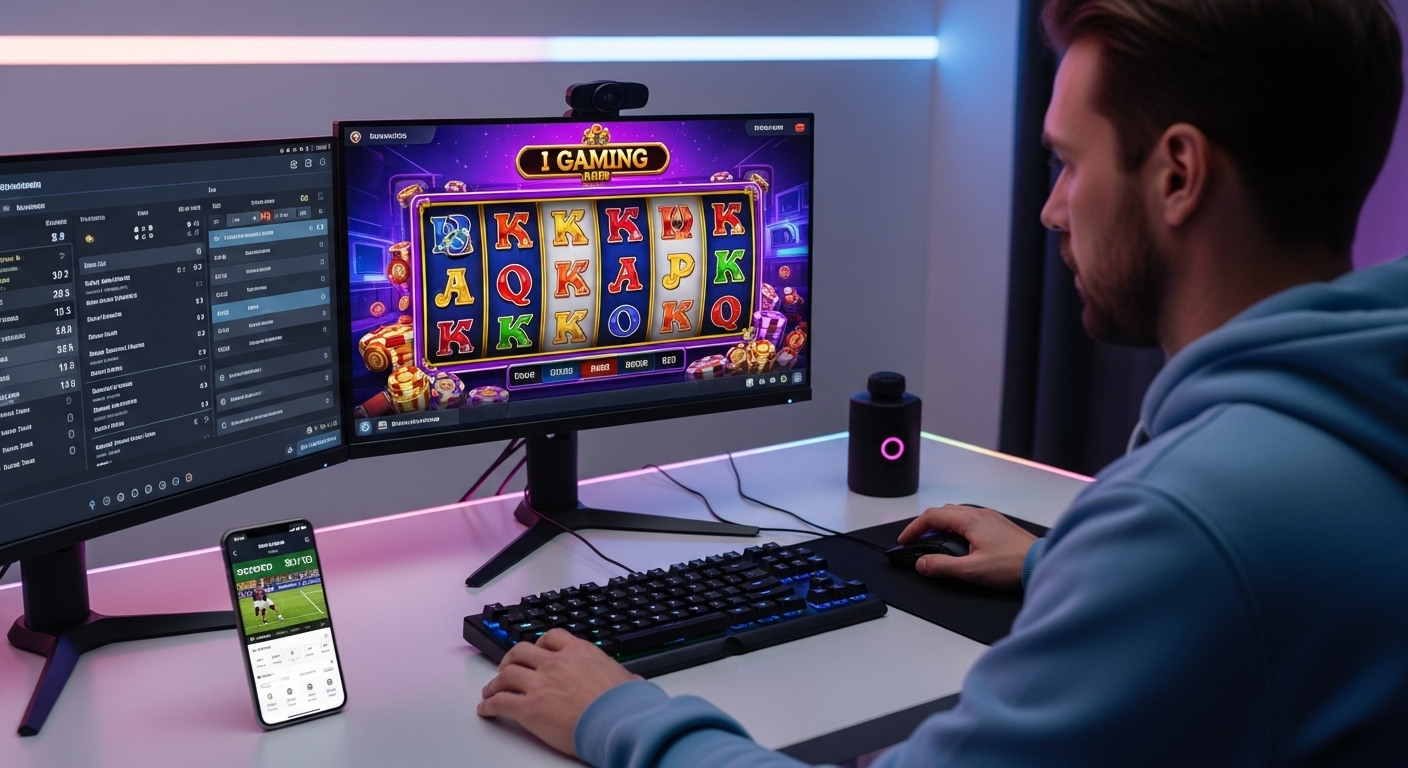
iGaming, at its core, refers to gaming that is conducted over the internet. This can involve traditional casino games, sports betting, poker, virtual slots, or competitive video gaming (esports). The beauty of iGaming is its accessibility; players no longer have to visit physical casinos or sports betting shops to participate in their favorite games. Instead, they can log in to an online platform from the comfort of their homes or even on the go using their mobile devices.
The most popular forms of iGaming include:
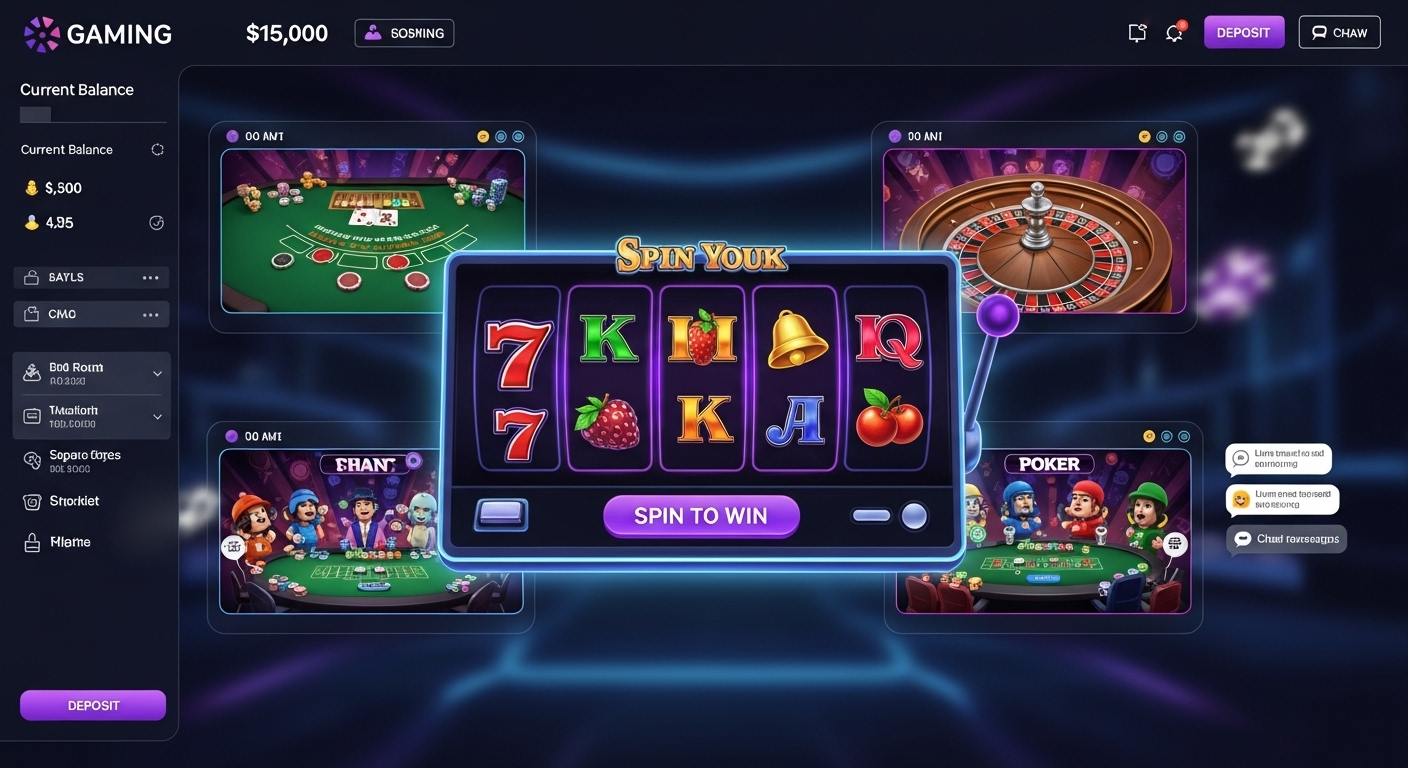
- Online Casinos: Platforms that offer traditional casino games such as slots, blackjack, roulette, baccarat, and poker.
- Sports Betting: The act of betting on the outcomes of various sporting events, including football, basketball, horse racing, and esports.
- Poker Rooms: Online platforms that allow players to engage in poker games with other users across the world.
- Esports Betting: The practice of betting on competitive video game tournaments, such as those played in titles like League of Legends, Dota 2, or Counter-Strike: Global Offensive.
The Growth of iGaming: A Revolution in the Making
The history of iGaming can be traced back to the 1990s, with the advent of the internet and the first online casinos that emerged around 1994. These early platforms offered a limited selection of games, but they represented a significant shift in how people could interact with games and wagering. Over time, iGaming grew rapidly as technological advancements, such as secure payment methods, faster internet speeds, and mobile accessibility, allowed the sector to flourish.
Several factors have contributed to the explosive growth of iGaming, including:
Advancements in Technology
The development of secure online payment systems, such as credit card processing, digital wallets, and cryptocurrencies, has been a game-changer for iGaming platforms. Security is paramount when dealing with money online, and the implementation of encryption technologies and secure payment gateways has helped build trust among players.
Another major advancement has been the improvement of graphics and gaming experiences. Modern iGaming platforms offer high-quality visuals and immersive environments that rival the experiences found in land-based casinos. In addition, live dealer games, which allow players to interact with real-life dealers through video streaming, have become incredibly popular, bringing the casino experience directly to users’ screens.
The growth of mobile technology has also played a significant role. With smartphones becoming a ubiquitous part of daily life, iGaming platforms have optimized their websites and applications for mobile devices, allowing users to access games anywhere at any time.
Regulatory Changes and Legalization
One of the most significant catalysts for iGaming’s expansion has been the shift in regulation and legalization in various countries. For many years, online gaming was either prohibited or heavily restricted in numerous parts of the world. However, in recent years, governments have begun to embrace the industry as a legitimate form of entertainment and revenue generation.
The United States, for instance, has seen significant changes in its regulatory landscape with the landmark decision to legalize sports betting in 2018. Since then, several states have legalized online sports betting, and others are considering similar moves. Similarly, countries across Europe have long been leaders in iGaming regulation, with UK Gambling Commission setting standards for fairness, security, and responsible gaming.
Legalized iGaming allows platforms to operate within a regulated framework, ensuring that they are held accountable to players. In addition, taxes on gambling revenue have proven to be a lucrative source of income for governments, which has further incentivized the legalization process.
Changing Consumer Behavior
The popularity of iGaming can also be attributed to shifting consumer habits. The younger generations, particularly Millennials and Generation Z, are digital natives who are accustomed to online experiences. They value convenience, instant access, and entertainment, all of which iGaming platforms can offer.
Furthermore, the proliferation of social gaming and esports has created a new avenue for iGaming enthusiasts. Many young people are already familiar with video games and are drawn to the competitive nature of esports, leading them to engage in betting on these events. As competitive gaming grows in stature, so does the potential for esports betting and fantasy leagues.
Types of iGaming: From Casinos to Esports
iGaming is a broad industry that includes a variety of gaming options. Let’s take a closer look at the major types:
Online Casino Games
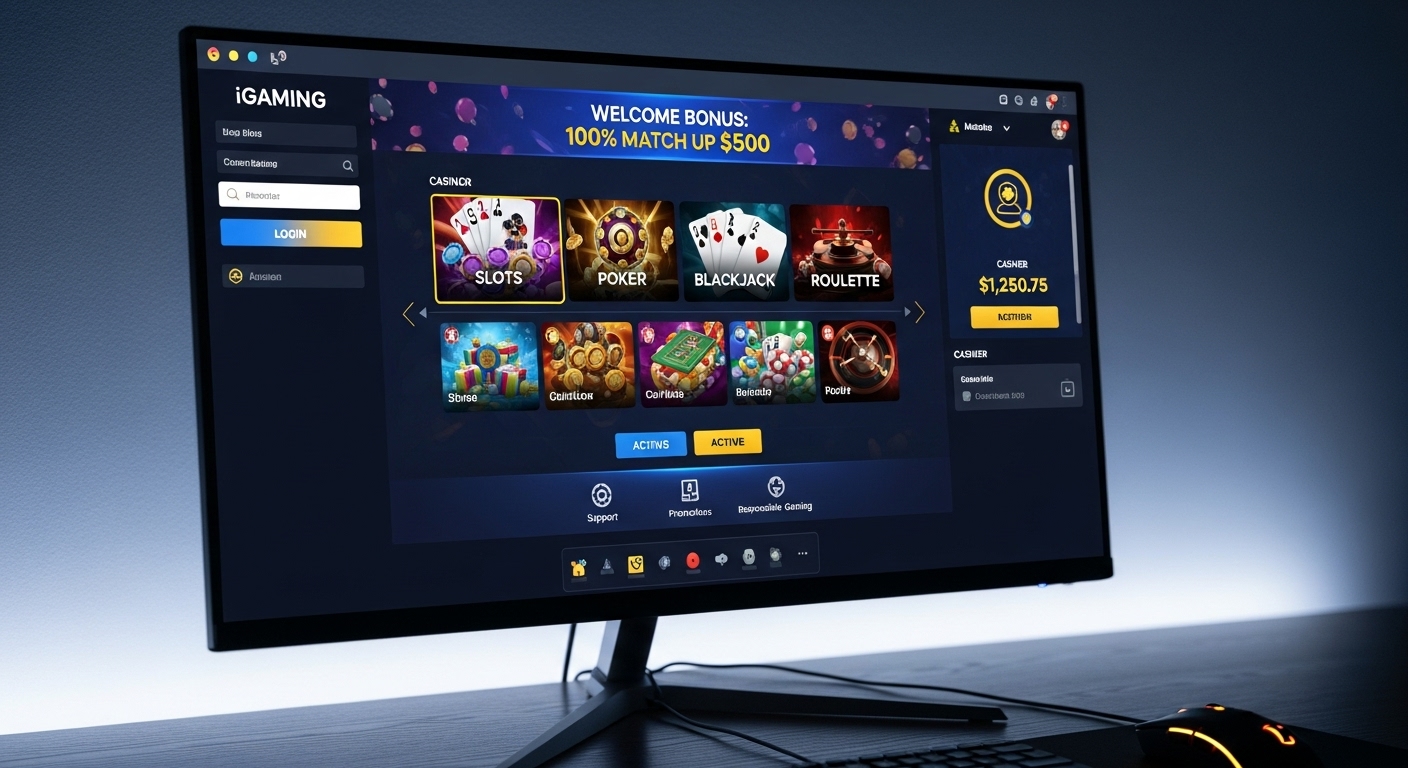
Online casinos are one of the most popular forms of iGaming. These platforms replicate traditional brick-and-mortar casinos by offering a wide range of games, including slots, poker, blackjack, roulette, and baccarat. They can either be fully automated, where players play against the system, or use live dealers to provide a real-time gaming experience. Online casinos have also introduced bonus features, such as welcome bonuses, free spins, and loyalty rewards, to attract and retain customers.
Sports Betting
Sports betting is another significant component of iGaming, with platforms allowing users to place bets on a wide array of sports, from football and basketball to horse racing and eSports. The advent of live betting has further expanded the sports betting market, allowing players to place bets in real time while the game is being played.
Legalization and regulation have helped to shape sports betting into a multi-billion-dollar industry. It has also opened the door for in-play betting, where users can place bets during a match or event, increasing the thrill of watching live sports.
Poker Rooms
Online poker rooms allow players to compete against each other in various poker games such as Texas Hold’em and Omaha. These platforms offer a range of betting limits, tournament structures, and formats to suit different types of players, from casual gamers to professional poker players. Some poker rooms even offer live tournaments that attract top poker players from around the world.
Esports Betting
The rise of competitive video gaming, or esports, has introduced a new form of betting in the iGaming world. Just like traditional sports, players can place bets on esports tournaments, where professional gamers compete in games like League of Legends, Dota 2, Counter-Strike: Global Offensive, and Overwatch. The popularity of esports has led to the development of fantasy esports leagues, where players can form teams and bet on individual players’ performances.
Esports betting has become especially popular with younger generations, who are already familiar with the games and the competitive environment. This has led to a unique blend of traditional sports betting and gaming culture.
The Social Impact of iGaming: Pros and Cons
While iGaming offers immense entertainment value, there are also concerns related to its social impact. One of the main issues is the potential for gambling addiction. Online gaming can be highly addictive due to its convenience and ease of access, making it easier for individuals to lose track of time and money. This has led to calls for more robust responsible gaming practices, including self-exclusion tools, deposit limits, and age verification to prevent minors from participating.
On the positive side, iGaming has opened up new job opportunities, both directly in the industry and indirectly through related sectors like tech development, marketing, and customer support. It has also created an entertainment economy, where players can earn money through skill-based games like poker or esports.
Furthermore, the growth of mobile gaming has provided players in underdeveloped regions with access to entertainment and potential income sources that were previously unavailable to them. iGaming’s accessibility helps foster a sense of inclusivity and community.
The Future of iGaming: What Lies Ahead?
Looking ahead, the future of iGaming appears bright. As technology continues to evolve, we are likely to see even more innovative developments, such as augmented reality (AR) and virtual reality (VR) games that offer fully immersive experiences. The use of blockchain technology for secure transactions and cryptocurrency gambling is also on the rise, adding an extra layer of trust and transparency to online platforms.
Additionally, the continued legalization and regulation of iGaming across different regions will contribute to its growth, particularly in North America. The expansion of esports, both as a sport and as a betting platform, is expected to see exponential growth, making it a central part of the iGaming ecosystem.