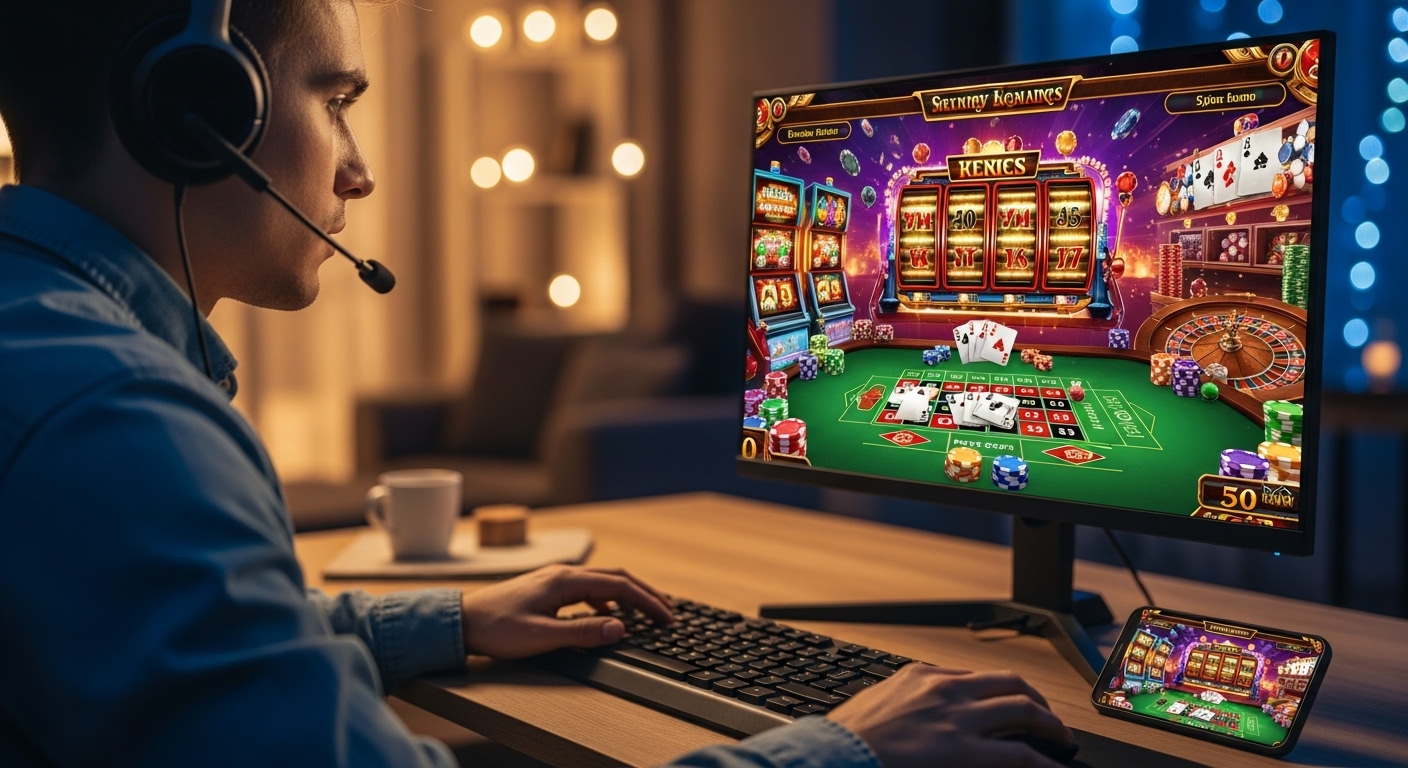
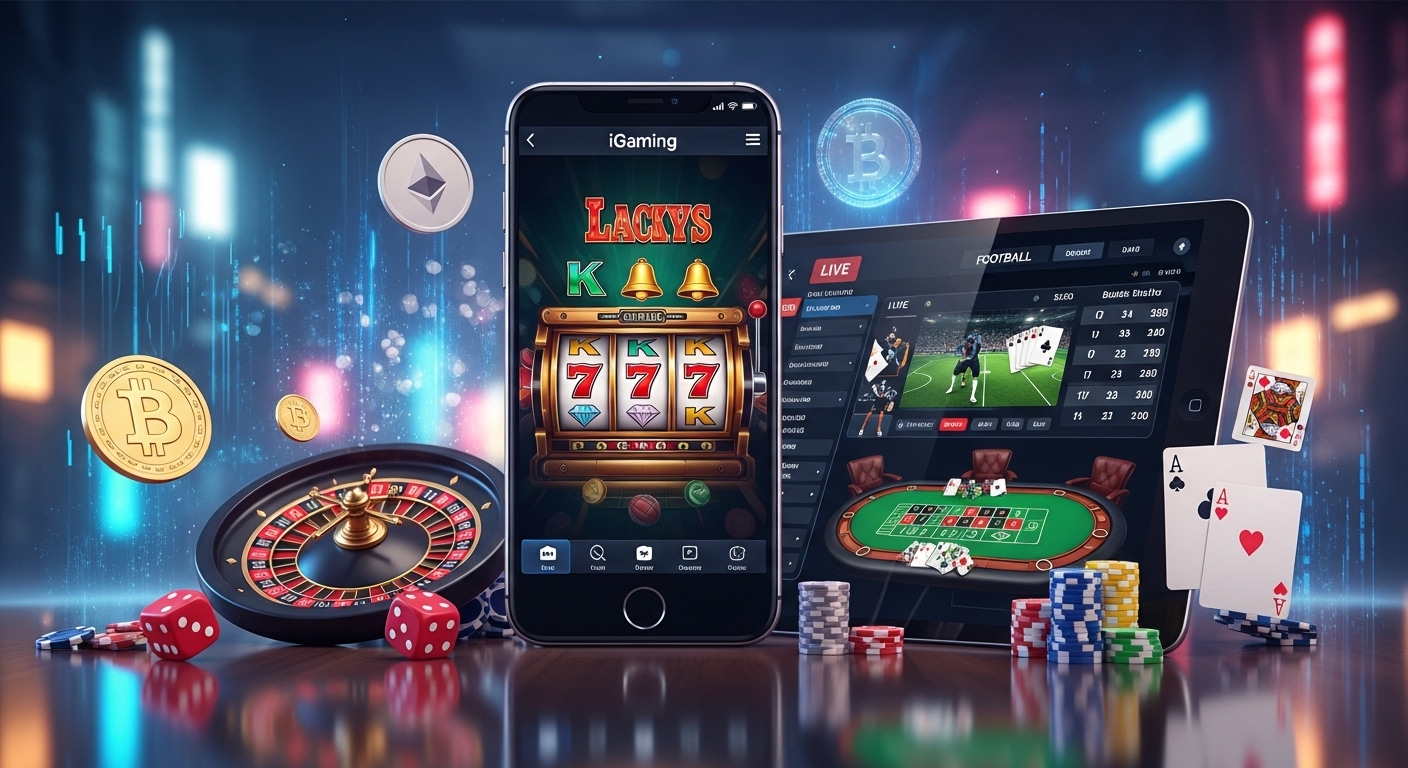
The world of online gaming has undergone a massive transformation over the past two decades, with one segment standing out as particularly influential: iGaming. While traditional gaming encompasses everything from console games to PC titles, iGaming specifically refers to online gambling activities that involve betting on games, sports, or casino-like experiences. From poker tables and slot machines to live dealer experiences and sports betting, iGaming has reshaped the entertainment and gambling landscape, offering players the ability to wager and win from the comfort of their own homes.
In this blog post, we’ll explore the rise of iGaming, its impact on the gambling industry, the technology driving its growth, and its role in modern entertainment. Whether you’re a casual gamer or someone curious about how online gambling works, this guide provides an in-depth look into the world of iGaming and its future.
What is iGaming?
iGaming, short for interactive gaming, refers to any form of online gambling or betting. This includes casino games, sports betting, online poker, and virtual sports, all of which can be accessed through digital platforms such as websites or mobile apps. Unlike traditional brick-and-mortar casinos or sportsbooks, iGaming operates entirely over the internet, allowing players to engage in gambling activities from anywhere at any time.
One of the key aspects of iGaming is its diversity. Players can participate in a range of activities, including:
- Online Casinos: Virtual versions of traditional casino games like blackjack, roulette, baccarat, and slot machines. These games are often designed to replicate the feel of physical casinos while offering a wider variety of themes and game formats.
- Sports Betting: Online sportsbooks allow users to place wagers on a variety of sports events, ranging from football and basketball to horse racing and esports.
- Online Poker: Virtual poker rooms provide the chance to play against other players in games like Texas Hold’em and Omaha, often with substantial prize pools for high-stakes tournaments.
- Bingo and Lotteries: Virtual bingo halls and lottery platforms offer another popular form of iGaming, where players can participate in community games or buy tickets for big jackpot draws.
The simplicity, convenience, and variety of iGaming make it an appealing choice for both novice gamblers and seasoned players. With just a few clicks, anyone can engage in a wide range of gambling activities without ever leaving home.
The History of iGaming: From Land-Based Casinos to Online Platforms
The concept of iGaming didn’t materialize overnight. It is the product of years of technological innovation and legal evolution in the gambling industry. To fully understand the rise of iGaming, it’s important to look at its origins.
The Birth of Online Casinos
The history of online gambling dates back to the mid-1990s when the internet was just beginning to become a mainstream tool for communication and entertainment. In 1994, the Caribbean island nation of Antigua and Barbuda passed the Free Trade & Processing Act, which allowed licenses for online casinos. This move opened the door for the first online gambling operators to establish themselves.
In 1996, the first real money online casino, InterCasino, launched. This was the start of a global trend that would change the gambling landscape forever. Early online casinos offered only a handful of games, but the concept was revolutionary. Players could access their favorite casino games from home, making gambling more convenient and accessible than ever before.
The Expansion of iGaming
Over the next decade, the iGaming industry grew rapidly. By the early 2000s, several online casinos had become household names. The advent of more advanced software and faster internet speeds meant that online casinos could offer a wider range of games, including live dealer experiences, where real dealers host games in real time through video streaming.
Simultaneously, the rise of online poker was another defining moment for iGaming. In 2003, a player named Chris Moneymaker won the World Series of Poker after qualifying through an online satellite tournament. This victory caused a massive surge in the popularity of online poker, attracting millions of new players to virtual poker rooms.
Sports betting also played a major role in the expansion of iGaming. Online sportsbooks began to emerge, allowing players to place wagers on everything from major league sports to smaller, niche competitions. These platforms not only offered traditional betting options but also began to introduce live betting, where users could place wagers on events as they unfold in real-time.
Regulation and Legalization
As the iGaming industry grew, so did the need for regulation. Governments around the world began to assess how online gambling should be regulated, particularly in terms of consumer protection, fairness, and tax revenue. While some countries, such as the United Kingdom and Malta, created comprehensive frameworks for regulating online gambling, others maintained more restrictive stances, making iGaming illegal or highly regulated.
The legal landscape of iGaming has continued to evolve, with many regions slowly shifting towards legalization and regulation. The success of regulated markets, such as in the U.K., where the UK Gambling Commission oversees operations, has shown that a well-regulated environment can lead to safer, more sustainable iGaming experiences for players and operators alike.
The Technology Behind iGaming: Innovations Fueling Growth
The continuous innovation in iGaming has been fueled by advances in technology. Today, players can enjoy a highly immersive and interactive gambling experience, thanks to cutting-edge developments in mobile technology, live streaming, artificial intelligence, and virtual reality.
Mobile Gaming
With the proliferation of smartphones, mobile gaming has become an integral part of iGaming. Many online casinos, poker rooms, and sportsbooks have developed mobile-optimized platforms that allow players to gamble anytime, anywhere. The convenience of mobile apps, with their sleek designs and seamless functionality, has made gambling more accessible and user-friendly than ever before.
Players can now enjoy the same gaming experiences on their phones as they would on a desktop computer, whether it’s spinning the reels on a slot machine, playing blackjack, or betting on a live sports event.
Live Dealer Games
Live dealer games have brought a new level of realism and excitement to iGaming. These games use real dealers to run traditional casino games, such as blackjack, baccarat, and roulette, in real-time. The dealer’s actions are broadcast via high-definition video streams, allowing players to watch and interact with them live. This experience closely mimics the atmosphere of a physical casino, offering an immersive gambling experience from the comfort of home.
Live dealer games have become incredibly popular, as they combine the social interaction of traditional casino gaming with the convenience of online play. Players can chat with dealers and other participants while watching the game unfold, enhancing the sense of community and excitement.
Artificial Intelligence and Data Analytics
Artificial intelligence (AI) and data analytics are also making their mark on iGaming. Operators use AI to personalize player experiences by analyzing user behavior, preferences, and patterns. This allows casinos to offer tailored recommendations for games, bonuses, and promotions, improving customer retention and satisfaction.
Data analytics also plays a crucial role in responsible gambling. By analyzing user data, operators can identify problematic gambling behavior and intervene early, offering support and setting limits to ensure players stay within their means. This is an essential aspect of maintaining a safe and sustainable gambling environment.
Virtual Reality (VR)
Virtual reality (VR) is an emerging technology that has the potential to revolutionize iGaming. In a VR casino, players would wear a VR headset and immerse themselves in a 3D environment that replicates a real-life casino. VR allows for a more immersive and interactive experience, where players can walk around the casino, socialize with other players, and play games as if they were physically present.
While VR technology is still in its infancy in the iGaming industry, it is likely to become a major player in the coming years as hardware becomes more affordable and sophisticated.
The Future of iGaming: Challenges and Opportunities
As the iGaming industry continues to grow, there are several opportunities and challenges that lie ahead. The continued evolution of technology, the expansion of legal frameworks, and the increasing demand for innovative gaming experiences will shape the future of online gambling.
Opportunities
- Global Expansion: As more regions legalize and regulate online gambling, new markets will open up, providing iGaming operators with fresh opportunities for growth. Emerging markets in Asia, Latin America, and Africa represent huge untapped potential.
- Esports Betting: The rise of esports has introduced a new avenue for iGaming operators. Betting on competitive video gaming tournaments is quickly becoming a popular alternative to traditional sports betting, attracting younger audiences with an interest in gaming.
- Cryptocurrency and Blockchain: The integration of cryptocurrencies, such as Bitcoin and Ethereum, into iGaming platforms could provide a more secure, anonymous, and efficient way to conduct transactions. Blockchain technology could also be used to enhance transparency and fairness in online gambling.
Challenges
- Regulation: Navigating the complex legal landscape of iGaming remains one of the biggest challenges for operators. As more countries adopt regulatory frameworks, ensuring compliance with local laws and standards will be a continual challenge for international operators.
- Responsible Gambling: Promoting responsible gambling practices is essential for the long-term health of the industry. Operators must continue to develop tools and features that encourage responsible play and help prevent addiction.
- Cybersecurity: As iGaming grows, so does the risk of cyberattacks and data breaches. Operators must invest in robust security measures to protect users’ personal and financial information.
Conclusion
iGaming has evolved from a niche hobby into a multi-billion-dollar industry that offers players exciting and convenient gambling experiences. Driven by technological innovation, regulatory developments, and a growing global audience, the future of iGaming looks promising. However, challenges remain, particularly in terms of regulation, responsible gambling, and cybersecurity.