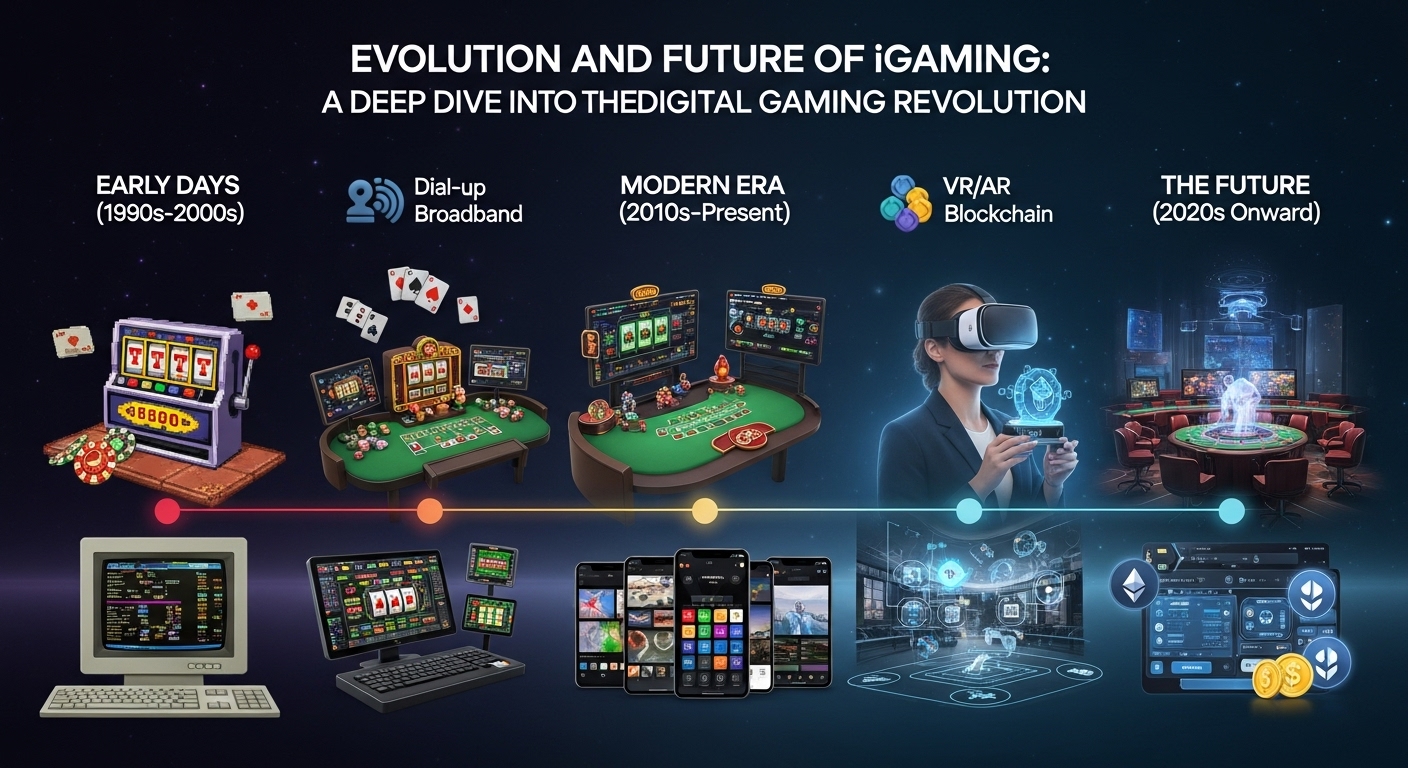

The world of iGaming has undergone a massive transformation in the past two decades, blending technology, entertainment, and gambling into a thriving global industry. As the digital era continues to shape all aspects of our lives, the gambling sector is no exception, with online gaming and betting platforms growing exponentially. This blog post delves into the various facets of iGaming, its rise to prominence, regulatory concerns, and its future in the digital age.
What is iGaming?
iGaming refers to the practice of gambling via the internet. It encompasses a wide array of gaming activities, such as online casinos, sports betting, poker rooms, and virtual betting. The term “iGaming” is essentially an umbrella term for all online-based gambling activities, providing people with a virtual alternative to traditional brick-and-mortar casinos or betting shops. With iGaming, players can engage in a variety of games—from slot machines to table games, or even participate in live dealer experiences—all from the comfort of their homes or on the go using mobile devices.
The rise of iGaming can be attributed to several key factors, including the growth of internet access, advancements in technology, and the increasing popularity of online entertainment. In fact, the iGaming industry is now one of the fastest-growing sectors within the broader gambling market, attracting millions of players worldwide.
Evolution of iGaming: From Land-based to Online
The transition of gambling from physical casinos to online platforms began in the 1990s with the advent of the internet. The first online casinos were launched in the mid-90s, providing players with a basic but functional way to engage in gaming from their computers. While these early platforms lacked the complexity and sophistication of today’s offerings, they represented a significant shift in the way people could access gambling entertainment.
The real breakthrough for iGaming came with the development of secure payment systems and advancements in gaming software. As internet security and digital payment solutions improved, so did the trust in online gambling. By the early 2000s, online casinos and sports betting sites began to flourish, offering a more refined and user-friendly experience for players.
Over time, mobile technology emerged as a game-changer, allowing players to gamble from their smartphones or tablets. This mobile revolution significantly expanded the reach of iGaming, making it even more convenient for people to place bets or play their favorite casino games whenever and wherever they wanted.
The Rise of Online Casinos and Sports Betting
One of the most significant areas of iGaming is online casinos. These digital platforms offer a wide variety of games, ranging from classic table games like blackjack, roulette, and poker to modern video slots with immersive themes and bonus features. The popularity of online casinos can be attributed to their ability to replicate the excitement and thrill of land-based casinos while offering greater convenience and accessibility.
In addition to traditional casino games, iGaming has seen significant growth in the area of sports betting. The global sports betting market has exploded, especially with the rise of live betting and in-play wagering. Today, sports fans can place bets on virtually any sport imaginable, including traditional ones like football, basketball, and horse racing, as well as emerging options such as eSports and virtual sports.
The rise of sports betting has also been facilitated by the legal changes in many parts of the world. Countries like the United States, which once had strict laws regarding sports betting, have loosened their regulations in recent years, contributing to the surge in online sports betting platforms.
The Impact of Technology on iGaming
Technology has been the driving force behind the rapid growth of iGaming, transforming both the gaming experience and the industry itself. Key technological innovations have made online gambling more exciting, engaging, and secure than ever before.
1. Software Development and Gaming Innovation
The development of advanced gaming software has played a major role in the evolution of iGaming. Providers such as Microgaming, NetEnt, Playtech, and Evolution Gaming are responsible for creating high-quality games that offer cutting-edge graphics, engaging gameplay, and innovative features. These developers continue to push the boundaries of what is possible in online gaming, incorporating elements such as 3D visuals, immersive sound design, and interactive gameplay.
Live dealer games have been another technological advancement that has gained massive popularity in recent years. Using high-definition streaming technology, players can now interact with real dealers in real-time while playing classic table games such as blackjack, baccarat, and roulette. This innovation bridges the gap between online gaming and the traditional casino experience, making it feel more authentic and personal.
2. Mobile Gaming and Accessibility
The mobile gaming revolution has arguably had the most profound impact on the iGaming industry. With more than 5 billion smartphone users worldwide, mobile gaming has made it easier for players to access their favorite casino games or sports betting platforms wherever they go. The introduction of mobile-optimized websites and dedicated mobile apps has allowed iGaming platforms to reach a broader audience, including those who may not have considered traditional online gambling in the past.
Furthermore, advancements in mobile technology, such as faster internet connections (4G, 5G), more powerful processors, and improved graphics capabilities, have enhanced the overall mobile gaming experience. Whether it’s placing a bet on a sporting event or spinning the reels of a video slot, mobile gaming has opened up new possibilities for iGaming enthusiasts.
3. Blockchain and Cryptocurrency in iGaming
Blockchain technology and cryptocurrencies, such as Bitcoin and Ethereum, have started to make their mark on the iGaming industry. Blockchain offers a level of transparency and security that traditional payment methods may not provide. By using decentralized ledgers, blockchain ensures that every transaction is recorded and verifiable, reducing the risk of fraud and cheating.
In addition, cryptocurrencies offer players an alternative to traditional fiat currencies, which can be subject to high transaction fees and delays. Crypto gambling is becoming increasingly popular because it provides faster withdrawals, enhanced privacy, and lower costs.
Legal and Regulatory Considerations in iGaming
As the iGaming industry has expanded, so too have concerns over regulation, legality, and consumer protection. Different countries have adopted varying approaches to regulating online gambling, with some nations imposing strict restrictions, while others have legalized and regulated the sector to ensure fairness and safety.
1. The Importance of Licensing
Licensing is one of the most important aspects of ensuring a safe and fair iGaming experience for players. Online casinos and sports betting sites must be licensed by a reputable authority, such as the Malta Gaming Authority (MGA), the UK Gambling Commission, or the Curacao eGaming Authority. These regulatory bodies ensure that operators adhere to strict standards of fairness, security, and responsible gambling practices.
Players should always check whether an iGaming site is properly licensed before engaging in any gambling activities. A valid license ensures that the platform operates in compliance with local laws and regulations and provides players with avenues for recourse in case of disputes.
2. Responsible Gambling and Consumer Protection
With the rapid growth of the iGaming industry, there has also been a growing concern about problem gambling. Many jurisdictions have introduced regulations requiring operators to promote responsible gambling and implement measures to protect vulnerable players. These measures may include self-exclusion programs, setting betting limits, and providing resources for those struggling with addiction.
Ensuring that players can enjoy iGaming in a safe and responsible environment is crucial for the long-term success of the industry. Operators must take steps to educate players on the risks associated with gambling and provide tools to help them manage their behavior.
The Future of iGaming
The future of iGaming is incredibly exciting, as technology continues to evolve and player demands shift. Some of the trends shaping the future of iGaming include:
- Virtual Reality (VR) Gaming: As VR technology becomes more accessible, it is likely that we will see virtual reality casinos emerge, offering players an immersive, fully interactive gaming experience.
- Esports Betting: The popularity of competitive gaming continues to grow, and esports betting is becoming a major segment of the iGaming market. Esports tournaments attract millions of viewers, and betting on these events is quickly becoming a mainstream activity.
- Artificial Intelligence (AI): AI is being used to enhance the user experience, from personalized game recommendations to improving customer service via chatbots. AI may also be used to detect and prevent problem gambling by analyzing player behavior.
- Social Gaming: Many iGaming platforms are integrating social features into their offerings, allowing players to interact with others through chatrooms, leaderboards, and multiplayer games. This social aspect is expected to become an increasingly important part of the iGaming experience.
Conclusion
The iGaming industry has evolved dramatically over the past few decades, revolutionizing the way people engage with gambling and entertainment. Thanks to technological advancements, a wider range of players can now access a diverse array of gambling experiences, from online casinos to sports betting and beyond. While the industry continues to face challenges around regulation and responsible gambling, its future remains bright with innovations like mobile gaming, blockchain, and virtual reality on the horizon. As long as it continues to prioritize player safety, fairness, and innovation, iGaming is set to remain a dominant force in the world of online entertainment.