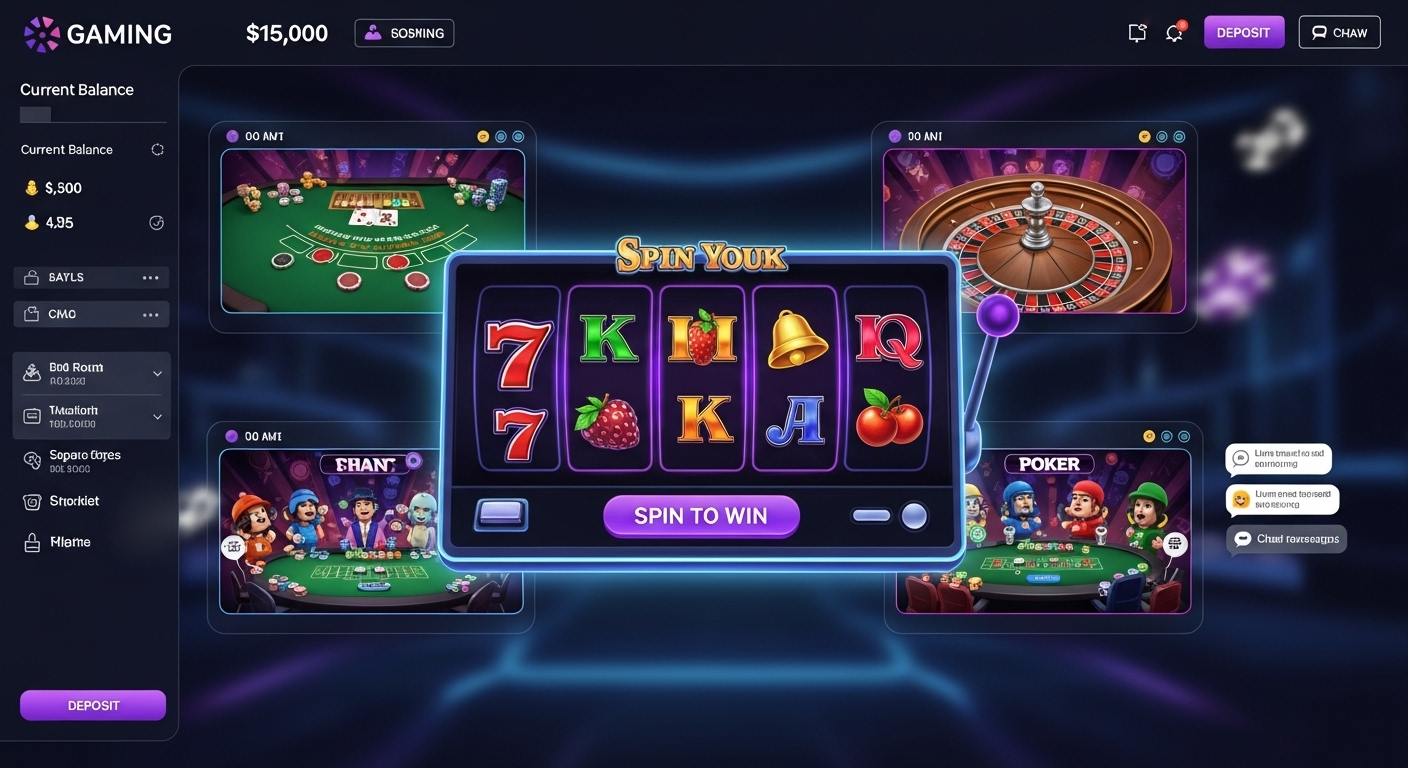

The world of gaming has evolved at an unprecedented pace over the last few decades, with the emergence of a new sector that has captured the attention of millions: iGaming. A term that encompasses online gambling and interactive gaming, iGaming has become one of the most rapidly growing industries worldwide, driven by technological advancements, changing consumer habits, and increasingly favorable regulatory environments. Whether it’s playing blackjack in a virtual casino, betting on sports events, or engaging in competitive esports tournaments, iGaming has redefined the boundaries of entertainment and provided new ways for people to enjoy their leisure time.
In this blog post, we will explore the rise of iGaming, its impact on the global entertainment landscape, the innovations that are shaping its future, and the challenges it faces as it continues to evolve.
What is iGaming?
At its core, iGaming refers to the online gaming and gambling activities that are facilitated by the internet. This includes a variety of digital gambling forms such as online casino games (slots, table games, etc.), sports betting, online poker, virtual sports, esports betting, and even fantasy sports. Essentially, iGaming merges traditional forms of gambling with the convenience and accessibility of the internet, allowing users to place bets, play games, and compete from anywhere in the world.
The iGaming industry is diverse, encompassing a wide range of platforms, games, and experiences. Online casinos are one of the most popular sectors within iGaming, offering traditional games like poker, blackjack, and roulette, but in a digital format. Sports betting has also expanded rapidly, with platforms offering wagers on everything from football and basketball to niche events like esports or even virtual sports. As technology continues to improve, the iGaming industry is finding new ways to captivate players and create innovative experiences.
The Rise of iGaming: A Changing Landscape
The journey of iGaming began in the mid-1990s when the internet was still in its infancy. Early online gambling websites emerged, but their success was limited due to slow internet speeds, lack of trust in online financial transactions, and a lack of regulated frameworks. However, as broadband internet became more widespread, and with the introduction of secure online payment systems, the online gambling industry began to grow exponentially.
The real turning point came in the early 2000s, with several jurisdictions beginning to regulate online gaming and gambling. The development of licensing systems in countries like the United Kingdom, Gibraltar, and Malta provided a legal framework for online operators to function, which helped establish trust and credibility in the industry. As a result, major iGaming companies began to emerge, and the sector started attracting both players and investors.
The popularity of iGaming surged during the 2010s with the advent of mobile devices and the growth of smartphone usage. Players no longer needed a desktop computer to access online casinos or place sports bets—now they could do so from the palm of their hand. This era also saw the rise of live dealer games, where players could interact with real dealers in real-time, further blurring the line between traditional land-based casinos and online gaming.
The rise of esports also played a significant role in the growth of iGaming, particularly in sports betting. The global explosion of esports has led to the development of specialized platforms where players can wager on competitive video games, which has further expanded the scope of iGaming.
Key Factors Driving the Growth of iGaming
Several factors have contributed to the rapid growth of the iGaming sector. Let’s take a closer look at some of the key drivers:
1. Technological Advancements
The evolution of technology has been at the heart of the iGaming revolution. From high-speed internet and mobile gaming to advancements in virtual reality (VR) and augmented reality (AR), technology has made online gaming more accessible, immersive, and interactive than ever before. For example, the development of live dealer games, powered by video streaming technology, has allowed online casinos to offer a realistic gaming experience that closely mimics the atmosphere of a physical casino.
In addition, the rise of blockchain technology has brought about decentralized gambling platforms, providing players with a more secure, transparent, and anonymous way to play. Cryptocurrencies like Bitcoin and Ethereum have gained popularity in the iGaming industry, offering a fast, secure, and cost-effective method of payment.
2. Mobile Accessibility
Mobile gaming has been a game-changer for the iGaming industry. The widespread use of smartphones and tablets has made it easier than ever for players to engage in gaming activities from virtually anywhere. Mobile-optimized websites and dedicated mobile apps have made online casinos, poker rooms, and sports betting platforms available on-the-go, catering to players who prefer convenience.
The ability to play casino games, place bets, or participate in live sports betting events from the comfort of one’s home or while traveling has expanded the iGaming market significantly. This shift towards mobile-first platforms has also led to the development of more user-friendly interfaces, fast-loading games, and improved overall player experiences.
3. Regulatory Changes
Regulation has played a crucial role in the expansion of iGaming. In many jurisdictions, the legal environment surrounding online gambling has become more favorable, with governments recognizing the potential tax revenue and economic benefits the industry brings. As a result, a growing number of countries have introduced regulations that govern online gambling, ensuring that operators adhere to specific standards and provide a safe and fair environment for players.
For example, the legalization of online sports betting in the United States following the repeal of the Professional and Amateur Sports Protection Act (PASPA) in 2018 opened the door for many states to regulate and legalize sports wagering. This created a huge market for sports betting operators, with an increasing number of states allowing both online and retail betting on various sports.
4. Growing Popularity of Esports
Esports has become a cornerstone of the iGaming industry. With the rise of competitive video gaming, betting on esports events has become as popular as traditional sports betting. The gaming community is huge, and esports tournaments regularly attract millions of viewers. This has spurred the development of platforms that cater to esports betting, where players can wager on tournaments and matches involving games like League of Legends, Dota 2, Counter-Strike: Global Offensive, and Fortnite.
Esports betting has gained significant traction among younger generations, who are more likely to engage with gaming and digital entertainment. The popularity of streaming platforms like Twitch, which allow fans to watch live streams of gaming events, has also contributed to the growth of esports betting.
The Innovations Shaping the Future of iGaming
As the iGaming industry continues to evolve, a number of exciting innovations are shaping its future. Here are some of the most significant trends:
1. Virtual Reality (VR) and Augmented Reality (AR)
Virtual and augmented reality technologies have the potential to revolutionize the online gaming experience. Imagine stepping into a virtual casino or playing poker with friends in a virtual world, all from the comfort of your home. VR and AR are still in their early stages in the iGaming industry, but they are already being used in some live dealer games and immersive online casino experiences.
As VR technology becomes more advanced and affordable, it is expected that more operators will adopt it to create highly interactive and realistic gaming environments.
2. Artificial Intelligence (AI)
AI is increasingly being used in the iGaming sector to enhance user experience, personalize content, and improve customer service. AI-powered chatbots are being used by operators to provide instant support to players, while machine learning algorithms are helping to detect and prevent fraud, cheating, and problem gambling.
In addition, AI is being used to create more realistic and engaging games, by simulating human behavior and allowing for dynamic game progression. This has the potential to make online gaming more immersive and enjoyable for players.
3. Cryptocurrencies and Blockchain Technology
The use of cryptocurrencies and blockchain technology is expanding in iGaming. Cryptocurrencies like Bitcoin and Ethereum offer a fast and secure method of payment for players, while blockchain technology ensures transparency and fairness in gaming transactions. Some iGaming platforms have already integrated blockchain to provide provably fair games, where players can verify the fairness of each outcome.
Blockchain-based platforms also allow for the creation of decentralized gambling networks, where no central authority controls the games or the outcomes. This innovation has the potential to disrupt traditional gambling operations and offer players greater security and autonomy.
Challenges Facing the iGaming Industry
Despite its rapid growth, the iGaming industry faces several challenges that could impact its long-term sustainability and success.
1. Regulatory Hurdles
While regulation has helped expand the iGaming industry, navigating the complex and varied regulatory environments around the world can be difficult for operators. Different countries have different rules when it comes to online gambling, and staying compliant with each jurisdiction’s laws can be a challenge. For example, while online gambling is fully legalized and regulated in some countries like the United Kingdom, it remains illegal or heavily restricted in others, such as the United States until recently.
As the iGaming industry continues to expand globally, it will need to contend with increasingly stringent regulations, particularly regarding player protection, anti-money laundering measures, and the prevention of problem gambling.
2. Responsible Gambling and Addiction Prevention
The rapid growth of iGaming has raised concerns about problem gambling and addiction. With easy access to online gambling platforms, some players may develop unhealthy habits or become addicted to gambling. Operators need to ensure that they have responsible gambling measures in place, such as self-exclusion tools, deposit limits, and access to support services for players who may be at risk.
Ensuring the long-term sustainability of the iGaming industry will require a focus on promoting responsible gambling practices and providing players with the resources they need to gamble safely.