
Online entertainment has always been a fast-moving industry. From the early days of dial-up chat rooms to today’s on-demand streaming platforms, each shift has redefined how people spend their leisure time. In the last decade, one sector has emerged as a surprisingly influential player: iGaming. Far more than a niche hobby, it is reshaping not only how people play games but how they interact with media, communities, and even technology itself.
Defining iGaming in Today’s Landscape
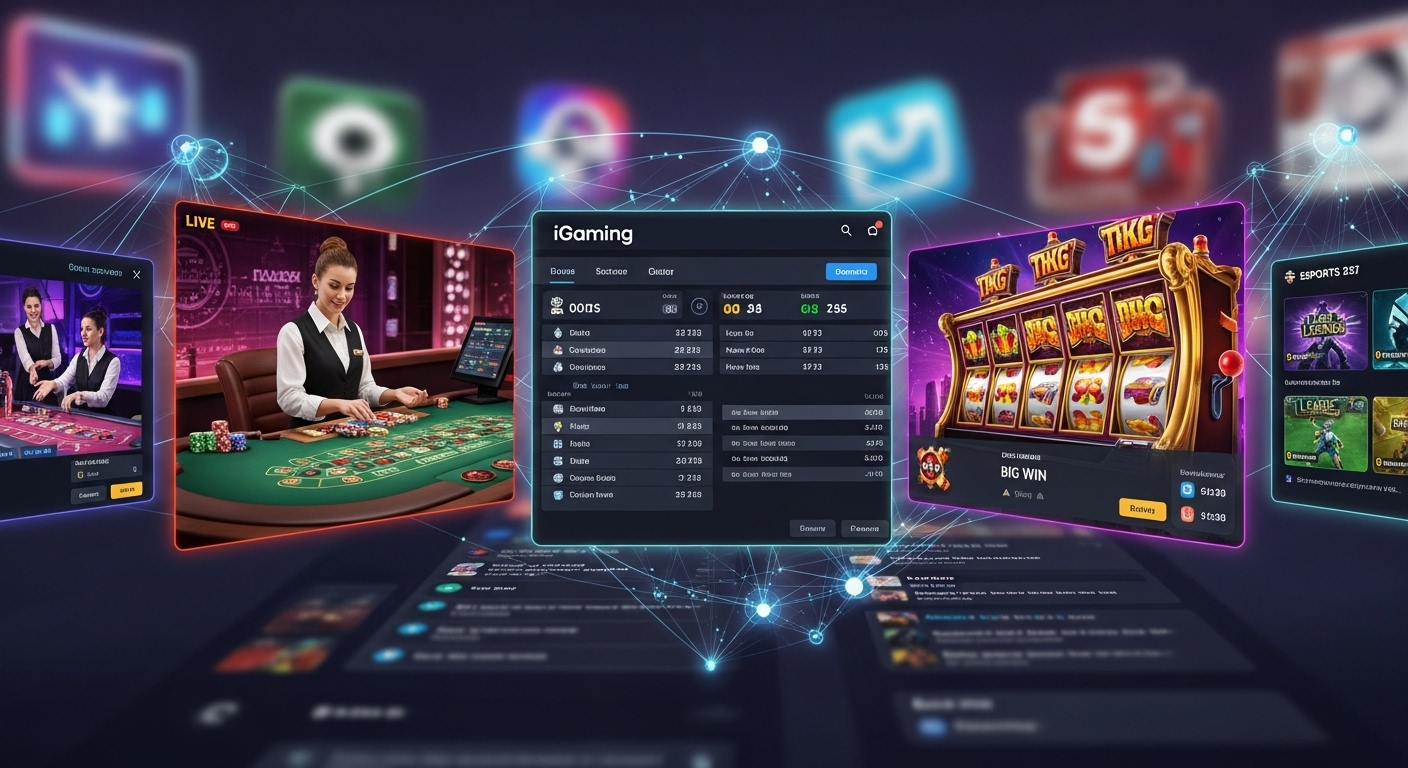
The term “iGaming” once referred mostly to online casinos and digital poker rooms. Today, its scope is much wider. It includes sports betting platforms, interactive slot titles, live-dealer experiences, fantasy leagues, and skill-based tournaments. These experiences are no longer confined to desktops. With mobile-first design and advanced apps, iGaming platforms fit seamlessly into the broader digital entertainment ecosystem.
This expansion has blurred the line between traditional gaming, streaming culture, and social networking. What was once a separate branch of online play now sits at the center of how millions of users spend their digital downtime.
A New Kind of Accessibility
One of the most striking changes driven by iGaming is accessibility. Unlike traditional entertainment models that required either specialized equipment or physical locations, iGaming is available to anyone with an internet connection. Mobile optimization has made it possible to play on the train, during lunch breaks, or while waiting in line.
This flexibility changes the rhythm of entertainment consumption. Instead of setting aside hours for a dedicated activity, users can dip in and out of short sessions. Micro-engagement has become a key feature of online leisure, and iGaming has capitalized on it better than most industries.
The Rise of Live and Interactive Experiences
Another powerful development is the integration of live interaction. Traditional video games often create immersive worlds but do not always replicate the feeling of real-time engagement. iGaming platforms have addressed this by introducing live-dealer tables, multiplayer competitions, and integrated chat features.
The result is a hybrid experience: digital convenience combined with the immediacy of human interaction. For many, joining a live-dealer blackjack table or participating in a real-time sports betting market feels closer to attending an event than simply playing an app. This sense of connection explains why so many users return frequently and treat iGaming as more than a casual pastime.
Blending Gaming and Entertainment Media
iGaming is not just changing how people play but how they consume entertainment media overall. Platforms increasingly incorporate streaming elements, commentary, and storytelling. The popularity of esports has already shown how viewers enjoy watching games as much as playing them. iGaming is following a similar path by building content around the act of playing.
Streaming personalities now host live betting sessions, tournaments are broadcast to wide audiences, and even casual players share highlights on social platforms. The entertainment value lies not only in personal play but in watching others engage, a shift that aligns closely with broader cultural habits around Twitch and YouTube gaming content.
Technological Innovations Driving Growth
Behind these shifts is a steady wave of technological innovation. Cloud-based platforms reduce lag, advanced graphics create visually appealing interfaces, and payment systems have become more streamlined. Security protocols ensure transactions remain safe, which is crucial for user trust.
Perhaps the most transformative element has been mobile integration. Just as streaming services moved from living rooms to pockets, iGaming has gone portable. Artificial intelligence also plays a role, from tailoring game recommendations to analyzing player behavior for responsible gaming measures. This merging of personalization and convenience puts iGaming in line with other modern entertainment platforms such as video and music streaming services.
The Social Dimension of iGaming
Online entertainment is increasingly social, and iGaming has embraced this trend. Chat functions, friend lists, and multiplayer modes allow users to interact beyond the game itself. Communities form around favorite titles or betting strategies, creating spaces where users share tips, celebrate wins, and even commiserate over losses.
The social aspect extends to cross-platform integration. Some iGaming platforms sync with social media, allowing highlights to be posted instantly. This turns personal play into shared entertainment, amplifying reach and reinforcing the cultural presence of iGaming.
Challenges and Considerations
While the growth of iGaming has been impressive, it is not without challenges. Regulation varies widely across regions, and legal frameworks struggle to keep pace with innovation. Responsible gaming is another key issue. The very accessibility that makes iGaming appealing can also pose risks for excessive play.
Operators have responded by incorporating tools such as time limits, spending caps, and self-exclusion options. Still, the responsibility is shared between providers, regulators, and players. Ensuring that iGaming remains a healthy form of entertainment will be crucial for its long-term sustainability.
Economic and Cultural Impact
The economic influence of iGaming cannot be ignored. It generates billions annually, supports thousands of jobs, and stimulates technological advancement across sectors like fintech and cybersecurity. Beyond finances, it has also shaped cultural conversations about leisure.
What was once considered niche is now mainstream. References to online betting and digital tournaments appear in pop culture, sports broadcasts, and even marketing campaigns for unrelated products. iGaming has established itself as a pillar of modern entertainment culture, influencing how people perceive the act of play in the digital age.
The Future of iGaming in Online Entertainment
Looking ahead, several trends suggest iGaming will continue to reshape online entertainment. Virtual and augmented reality could bring deeper immersion, allowing players to feel as though they are walking into a casino or standing rink-side at a sports match from home. Blockchain technology may enhance transparency, especially in payment systems and odds verification.
There is also potential for further crossover with mainstream gaming. Imagine hybrid platforms where competitive video games blend seamlessly with betting markets, or interactive shows where viewers both watch and wager in real time. These innovations would position iGaming not just as a participant in online entertainment but as one of its key architects.
Conclusion
iGaming has evolved from a specialized niche into a central force in digital entertainment. By combining accessibility, live interaction, technological innovation, and social engagement, it has carved out a space that competes directly with streaming platforms, video games, and even social networks.
The story of iGaming is ultimately the story of how people want to be entertained: flexibly, interactively, and socially. As technology continues to evolve, the influence of iGaming on the wider entertainment landscape will only deepen. Far from being a passing trend, it represents a lasting shift in how online leisure is defined.