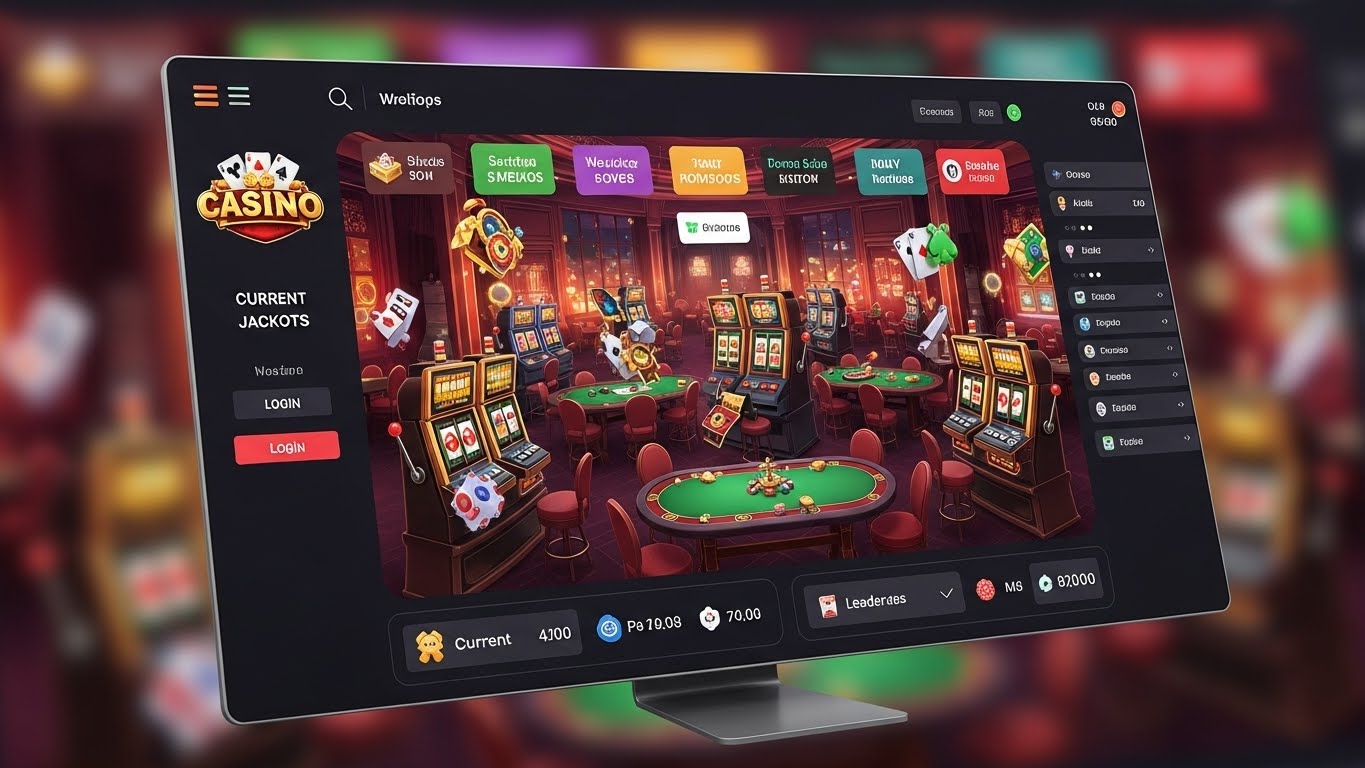

The world of gaming has transformed dramatically over the past decade, and nowhere is this more evident than in the realm of iGaming. Online casinos, sports betting platforms, and interactive gaming environments have redefined entertainment, creating experiences that are immersive, social, and increasingly sophisticated. Fueled by technological innovations and shifting consumer behaviors, iGaming has become a global phenomenon, attracting millions of players and driving billions in revenue. This blog explores the evolution of iGaming, the technology powering it, and the trends shaping its future.
The Rise of Online Casinos
The emergence of online casinos marked the beginning of a new era in gambling. Traditional brick-and-mortar casinos offered social and immersive experiences, but they were limited by geography, accessibility, and operating hours. The introduction of online platforms broke down these barriers, allowing players to access their favorite games from anywhere in the world, at any time.
Online casinos replicate many elements of physical casinos while introducing unique features. Classic table games like poker, blackjack, and roulette are now available digitally, often with multiple variants that enhance engagement. Slot machines, once limited to physical machines, have become interactive experiences with advanced graphics, themes, and bonus features. The convenience and accessibility of online casinos have expanded the industry’s reach, attracting a diverse audience of players.
Live Dealer Technology: Bringing Realism to Digital Gaming
One of the most significant advancements in iGaming is the introduction of live dealer games. Live dealer technology streams real-time casino games to players’ devices, with professional dealers conducting games just as they would in a physical casino. High-definition video feeds, real-time interaction, and responsive controls create an immersive experience that blends the convenience of online gaming with the social engagement of a physical casino.
Players can communicate with dealers and other participants through chat features, enhancing the sense of community. Live dealer technology has been particularly effective in replicating the thrill of table games, making it a popular choice among seasoned players who value authenticity in their gaming experiences.
Mobile Gaming: iGaming in Your Pocket
Mobile devices have transformed the way players interact with iGaming platforms. Smartphones and tablets provide instant access to games, enabling players to enjoy their favorite experiences on the go. Mobile-optimized interfaces, responsive design, and intuitive controls ensure that gameplay remains seamless across devices.
Mobile gaming also allows developers to innovate with features that leverage device capabilities. Touchscreen interactions, haptic feedback, and motion-sensing technology create more engaging and dynamic gameplay. Additionally, mobile platforms enable push notifications, personalized offers, and social features that keep players connected and engaged. The rise of mobile gaming has significantly expanded the iGaming market, catering to a generation accustomed to instant access and digital convenience.
Gamification: Making Gaming More Engaging
Gamification has become a central strategy for enhancing user engagement in iGaming. By incorporating elements typically found in video games, such as achievements, levels, leaderboards, and rewards, platforms motivate players to participate more actively.
Gamification encourages long-term engagement by providing goals, challenges, and feedback that enhance the overall experience. Players can track progress, earn bonuses, and compete with others, creating a sense of accomplishment and community. The integration of gamification into iGaming platforms has not only increased player retention but also attracted a broader audience by making traditional casino games more interactive and entertaining.
Virtual Reality: The Next Frontier of Immersion
Virtual reality (VR) is poised to revolutionize iGaming by offering fully immersive environments that replicate the atmosphere of real casinos. VR headsets allow players to explore virtual casino floors, interact with other players, and participate in games with a heightened sense of presence.
The immersive nature of VR gaming enhances the emotional experience, making wins and losses feel more impactful. Developers are exploring ways to combine VR with live dealer technology, creating hybrid experiences that merge real-time human interaction with virtual environments. As VR technology becomes more accessible, it is likely to play a significant role in the future of iGaming, attracting players who seek both entertainment and realism.
Artificial Intelligence and Personalization
Artificial intelligence (AI) has become an integral part of modern iGaming platforms. AI algorithms analyze player behavior, preferences, and gameplay patterns to provide personalized experiences. From recommending games to tailoring bonus offers, AI enhances engagement by ensuring that content aligns with individual interests.
AI is also used to improve customer support, with chatbots providing instant assistance and resolving issues efficiently. In addition, AI-powered fraud detection and responsible gaming tools help identify risky behavior, ensuring safer and fairer gaming experiences. By leveraging AI, iGaming platforms can deliver more engaging, secure, and customized experiences, driving both player satisfaction and retention.
Blockchain and Cryptocurrency: Redefining Transactions
Blockchain technology and cryptocurrencies are increasingly being integrated into iGaming, offering secure, transparent, and efficient financial transactions. Blockchain ensures that game outcomes are provably fair, providing players with confidence in the integrity of platforms.
Cryptocurrencies like Bitcoin and Ethereum offer fast and low-cost deposits and withdrawals, removing traditional banking barriers. Smart contracts enable automated payouts, ensuring that players receive winnings instantly and reliably. The adoption of blockchain and cryptocurrencies is also expanding global access to iGaming, particularly in regions where traditional banking infrastructure may be limited.
Responsible Gaming and Ethical Considerations
As iGaming continues to grow, operators are placing greater emphasis on responsible gaming. Tools such as deposit limits, self-exclusion options, and activity monitoring help players manage their behavior and reduce the risk of addiction. Ethical considerations, including fair play, transparency, and data protection, are essential for building trust with players and maintaining a sustainable industry.
Regulatory compliance plays a crucial role in promoting responsible gaming. Licensing authorities enforce standards for fairness, security, and player protection, ensuring that operators provide safe and transparent experiences. The emphasis on ethical practices and responsible gaming is critical to maintaining the credibility and long-term viability of the iGaming industry.
Social Gaming: Community and Competition
Social interaction has become an essential component of modern iGaming. Multiplayer games, chat features, tournaments, and leaderboards foster a sense of community among players. Social gaming allows participants to compete, collaborate, and share experiences, enhancing engagement and creating a more dynamic environment.
Platforms increasingly incorporate social media integration, enabling players to share achievements and invite friends to join games. The combination of competition, community, and social connectivity adds a layer of enjoyment beyond traditional gameplay, attracting a wider audience and encouraging longer engagement.
Emerging Trends in iGaming
The iGaming industry continues to evolve at a rapid pace, driven by technology and changing player expectations. Some emerging trends include:
- Hybrid Platforms: Combining casino, sports betting, and skill-based games in a single ecosystem.
- Esports Betting: Capitalizing on the growing popularity of competitive gaming by offering betting options for esports tournaments.
- Artificial Reality Integration: Combining augmented reality (AR) and VR for mixed-reality gaming experiences.
- Data-Driven Marketing: Leveraging AI and analytics to provide hyper-personalized offers and promotions.
- Global Expansion: Emerging markets are embracing iGaming, expanding the industry’s reach and introducing new regulatory challenges.
These trends reflect the industry’s focus on innovation, engagement, and accessibility, positioning iGaming as a continually evolving sector within entertainment.
Conclusion
iGaming has come a long way from its early days, transforming traditional gambling into a dynamic, interactive, and technology-driven experience. Innovations such as live dealer technology, mobile gaming, gamification, VR, AI, blockchain, and social gaming are reshaping the way players interact with platforms and with each other.
The industry’s growth is fueled by a combination of technological advancements, regulatory frameworks, and shifting consumer behaviors. As iGaming continues to evolve, operators must prioritize ethical practices, responsible gaming, and immersive experiences to attract and retain players.
Looking ahead, the integration of emerging technologies and the focus on personalization and community will continue to drive the evolution of iGaming. By balancing innovation with responsibility, the industry can deliver engaging, fair, and exciting experiences for players worldwide. The future of iGaming is bright, immersive, and ever-expanding, offering opportunities for both players and operators in a digital entertainment landscape.