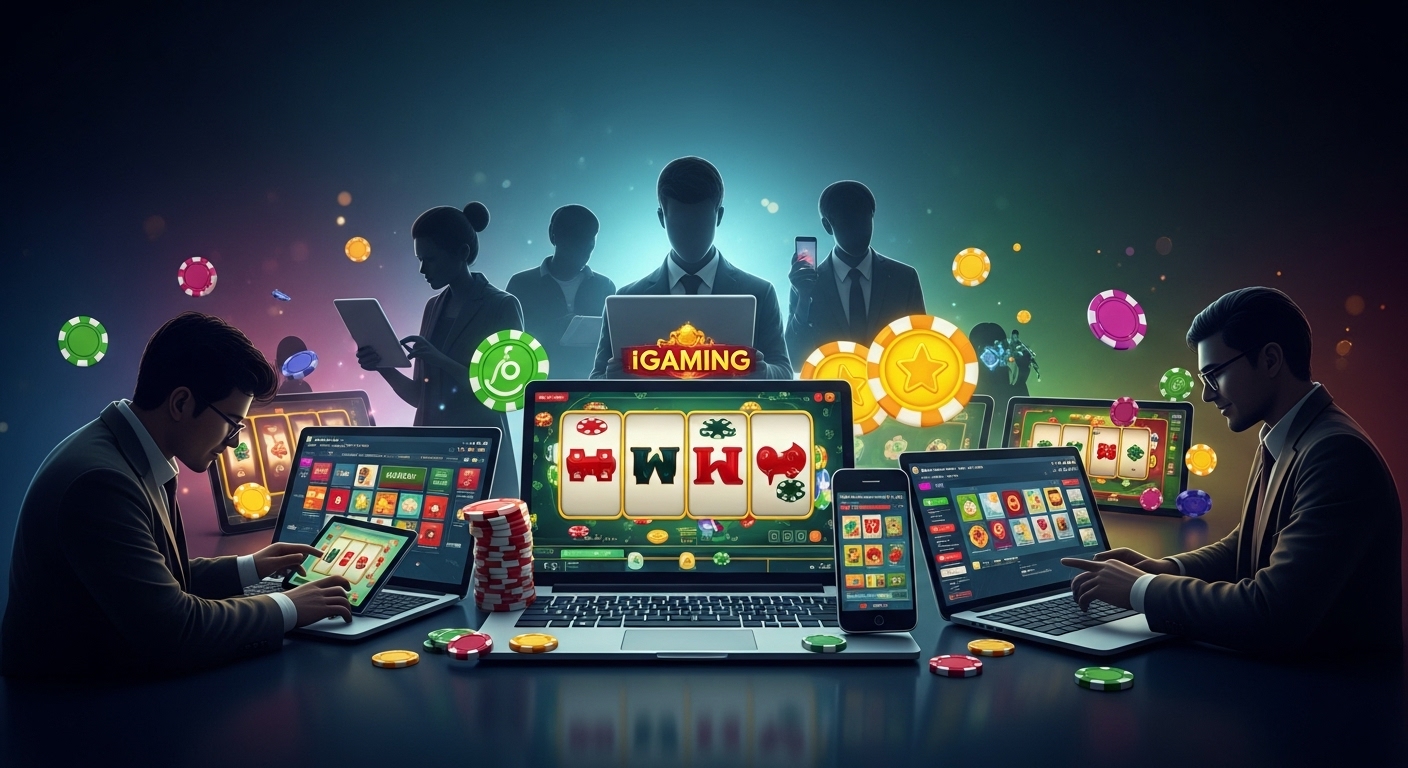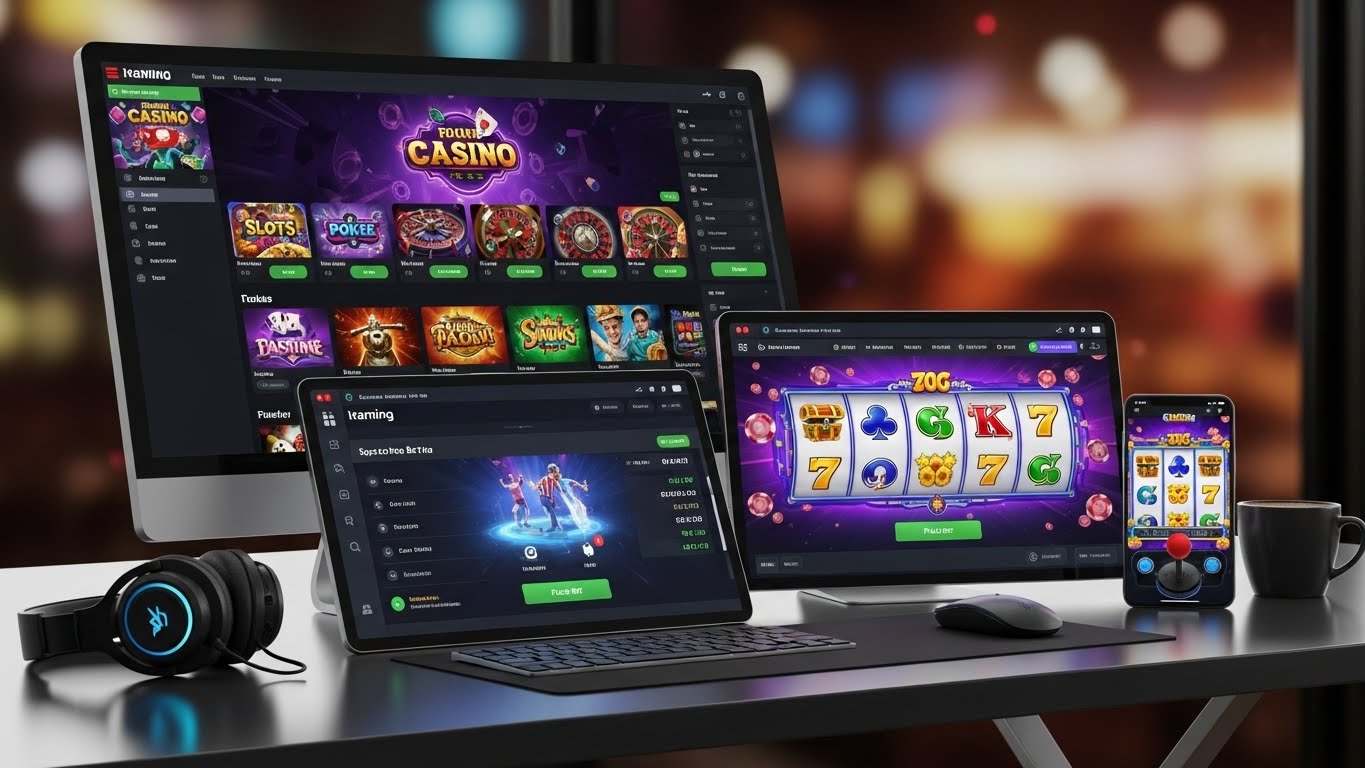

The iGaming industry has evolved significantly over the past few decades, transitioning from a niche market to a global powerhouse. With the continued rise of online gambling, iGaming is now a mainstream entertainment option for millions of people worldwide. Whether it’s online casinos, sports betting, virtual poker, or the rising phenomenon of eSports betting, the sector has expanded its reach far beyond traditional brick-and-mortar establishments. In this blog, we will explore the current state of the iGaming industry, its emerging trends, challenges it faces, and the immense growth opportunities ahead.
What is iGaming?
iGaming, or interactive gaming, is the broad term used to describe gambling activities that take place over the internet. These activities can range from online casinos and virtual poker rooms to sports betting platforms and eSports betting. iGaming provides players with an opportunity to engage in these activities from the comfort of their homes, using devices such as smartphones, tablets, and computers.
What sets iGaming apart from traditional land-based gambling is its ability to offer instant access to a vast array of games, along with the convenience of playing anytime, anywhere. This accessibility, combined with the continuous advancement of technology, has contributed significantly to the industry’s meteoric rise.
The Growth and Impact of iGaming
Over the past decade, the global iGaming industry has grown at an unprecedented rate. According to market reports, the iGaming market was valued at over $60 billion in 2020 and is expected to continue expanding, with projections indicating that it could surpass $100 billion by the end of this decade.
One of the main factors driving this growth is the widespread use of smartphones and mobile devices. With mobile gaming accounting for a large portion of the industry’s revenue, the ability to play games on the go has made online gambling more accessible and convenient than ever before. Additionally, the proliferation of high-speed internet has allowed players to engage with live dealer games and experience immersive virtual casinos with ease.
Key Trends Shaping the iGaming Industry
Several key trends are currently defining the iGaming landscape. Understanding these trends is crucial for both players and operators looking to navigate the evolving market.
1. Mobile Gaming: The Shift Toward Convenience
The growing popularity of mobile gaming has been one of the most significant changes in the iGaming sector. With the majority of players now accessing their favorite games via smartphones and tablets, mobile gaming has become the dominant force within the industry. According to recent data, mobile gaming accounts for more than half of all online gambling revenue, a figure that continues to grow year after year.
This shift toward mobile gaming has prompted iGaming operators to optimize their websites and platforms for mobile devices. Most online casinos and sportsbooks now offer responsive designs, ensuring players can seamlessly navigate the site regardless of whether they’re using a desktop, tablet, or smartphone. Moreover, many operators have developed dedicated mobile apps to provide an even more personalized experience.
2. Live Dealer Games: Bringing the Casino Experience to Your Home
Live dealer games have become increasingly popular among iGaming enthusiasts who seek a more interactive and authentic experience. Live dealer platforms use real dealers, broadcasted in real-time via video streaming, to run games like blackjack, roulette, baccarat, and poker. Players can interact with dealers and other participants via a chat function, replicating the social and immersive atmosphere of a traditional casino.
The demand for live dealer games has surged, especially as more players are looking for experiences that go beyond traditional RNG (random number generator) table games. The ability to interact with real dealers, combined with high-definition streaming and advanced technology, has created a highly engaging gaming environment.
3. Cryptocurrency and Blockchain Integration
The emergence of cryptocurrencies like Bitcoin, Ethereum, and others has made a significant impact on the iGaming world. Many online gambling platforms now accept cryptocurrencies as a form of payment, providing players with a secure and efficient way to deposit and withdraw funds. Cryptocurrency transactions are typically faster and cheaper than traditional banking methods, and they allow for greater anonymity.
Blockchain technology, which underpins most cryptocurrencies, is also being explored for its potential to increase transparency and fairness in online gambling. Blockchain can ensure that transactions are secure, traceable, and tamper-proof, which is essential for building trust with players.
4. eSports Betting: The New Frontier
The rise of eSports has revolutionized the iGaming industry by introducing a new form of betting—eSports betting. eSports refers to competitive video gaming, and tournaments like those for “League of Legends,” “Dota 2,” and “Counter-Strike: Global Offensive” have attracted millions of fans worldwide. Betting on these tournaments has become a lucrative market, especially as the fanbase for eSports continues to grow exponentially.
Many traditional sportsbooks now offer odds on eSports events, while some operators focus exclusively on this niche. The growing popularity of eSports betting reflects the shift in consumer interests, with younger generations seeking new, interactive forms of entertainment that combine gaming with competitive betting.
5. Virtual Reality and Augmented Reality in iGaming
While still in its early stages, virtual reality (VR) and augmented reality (AR) technologies are expected to have a transformative impact on the iGaming industry. VR casinos are already in development, offering players a fully immersive experience that replicates the feeling of being in a real-world casino. Players can interact with games, dealers, and other participants in a 3D environment, creating a new level of engagement.
On the other hand, AR is being integrated into mobile games and apps, allowing players to interact with virtual elements overlaid on the real world. This technology could lead to innovative new ways to experience gambling, such as using AR to play virtual slot machines or poker games within a real-world setting.
Opportunities in the iGaming Market
As the iGaming industry continues to expand, new opportunities are emerging for both existing operators and new entrants into the market. Let’s look at some of the key opportunities that are driving the future of iGaming.
1. Expansion Into New Markets
One of the most significant opportunities in the iGaming sector is the expansion into new geographic markets. While the industry is already well-established in regions like North America and Europe, many parts of Asia, Latin America, and Africa remain largely untapped. In countries where online gambling is still illegal or highly regulated, there is tremendous potential for growth as governments relax restrictions and adapt to changing consumer preferences.
For instance, markets like India, Brazil, and certain African countries are beginning to explore the benefits of legalizing online gambling, which could open up new avenues for iGaming operators. By entering these emerging markets early, operators can position themselves as market leaders and take advantage of growing demand.
2. New Forms of Gamification
Gamification—the use of game-like elements in non-game contexts—is becoming an increasingly popular trend in iGaming. Operators are using gamification strategies to enhance player engagement, offering rewards, loyalty programs, and in-game challenges. This trend is helping to create more interactive and rewarding experiences for players, encouraging them to play more often and for longer periods.
For example, online casinos now offer loyalty programs that reward players with points for every bet they make, which can be exchanged for bonuses, free spins, or even real-world prizes. Such gamification features increase player retention and can turn casual players into loyal customers.
3. Innovation in Game Development
The iGaming sector is driven by innovation in game development. With the increasing demand for fresh and engaging content, game developers are constantly working to create new game formats, themes, and features. From 3D slot machines to skill-based casino games, developers are pushing the boundaries of what’s possible in the world of online gambling.
New technologies, such as AI and machine learning, are being utilized to develop more sophisticated and personalized gaming experiences. For example, AI can be used to track player preferences and offer personalized game recommendations, while machine learning algorithms can be applied to enhance the randomness and fairness of games.
Challenges Facing the iGaming Industry
While iGaming is flourishing, the industry faces several challenges that operators must navigate carefully.
1. Regulatory Compliance and Legal Issues
One of the primary challenges in iGaming is dealing with the ever-evolving regulatory landscape. Different countries have different laws governing online gambling, and the regulatory environment is constantly changing. Operators must stay up to date with these regulations, which can be complex and vary significantly across jurisdictions. Failure to comply with local laws can lead to fines, legal action, or even the suspension of a gaming license.
2. Responsible Gambling
As with any form of gambling, there is a risk of addiction, and the iGaming industry has a responsibility to ensure that players can gamble responsibly. Many countries have introduced regulations requiring operators to implement responsible gambling measures, such as self-exclusion tools, deposit limits, and awareness campaigns. Operators must strike a balance between promoting their products and ensuring player protection.
3. Cybersecurity Threats
iGaming platforms handle large amounts of sensitive player data, including financial details. This makes them prime targets for cyberattacks. Operators must invest in robust cybersecurity measures to protect their customers’ data and ensure the integrity of their platforms. Data breaches can lead to significant reputational damage and financial losses, making cybersecurity a top priority for the industry.
Conclusion: The Road Ahead for iGaming
The iGaming industry is experiencing a period of rapid growth, fueled by technological advancements, changing consumer preferences, and regulatory shifts. With new trends like mobile gaming, live dealer experiences, cryptocurrency integration, and eSports betting gaining traction, the industry is set to continue evolving.
However, as with any growing market, iGaming faces challenges related to regulation, responsible gambling, and cybersecurity. Addressing these issues will be crucial for ensuring the long-term sustainability of the industry.
The future of iGaming is bright, and those who can adapt to changing technologies, player preferences, and global market dynamics will be best positioned to succeed. Whether you’re a player looking for the next big