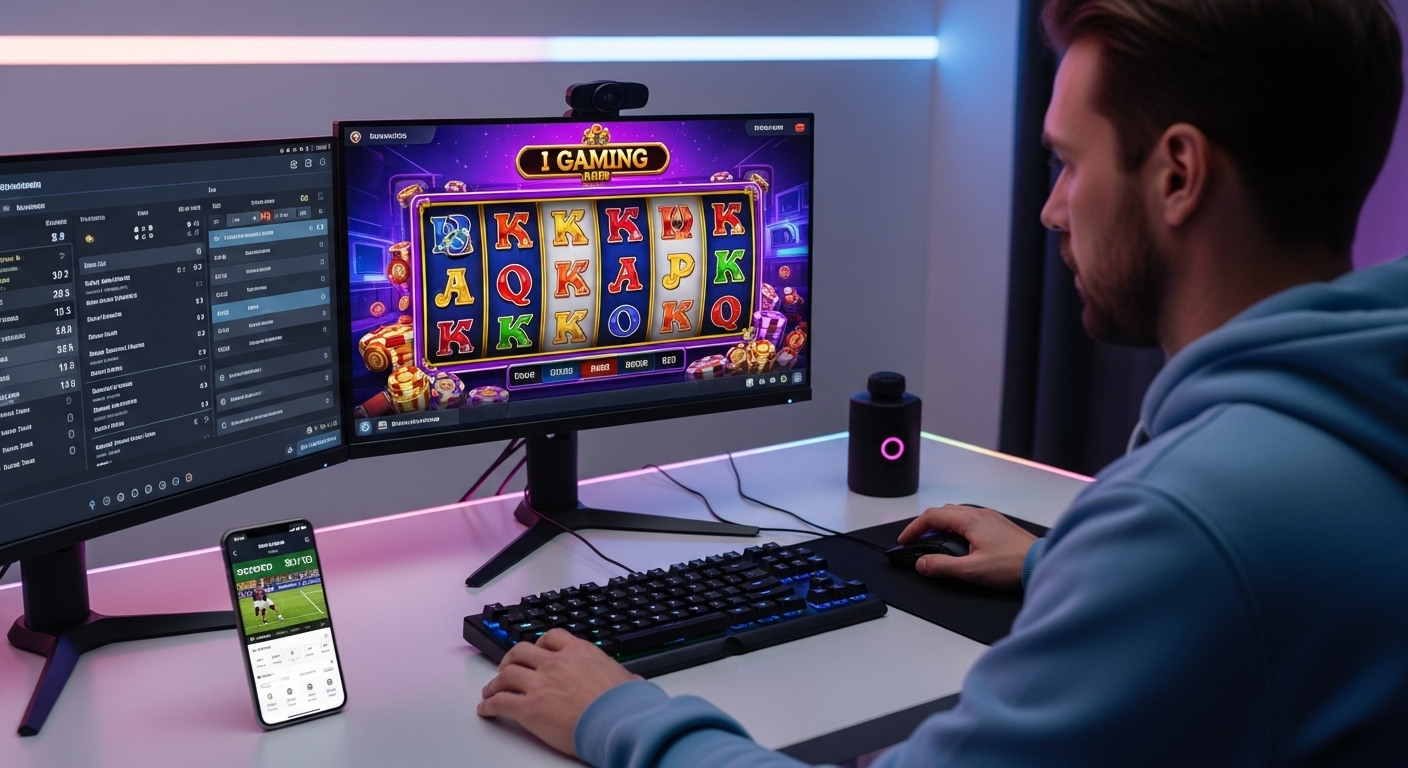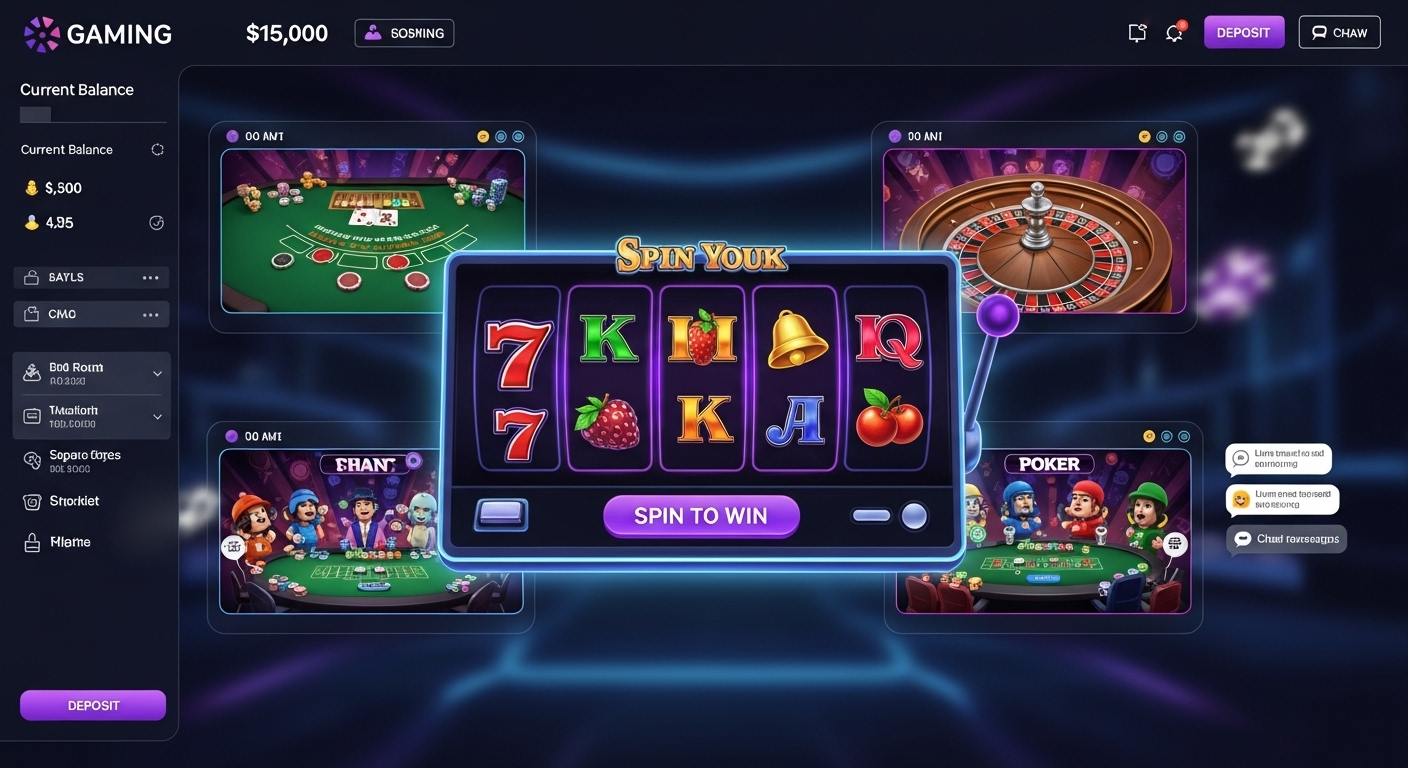

In recent years, the world of online gambling, also known as iGaming, has witnessed exponential growth. The iGaming industry includes online casino games, sports betting, virtual poker, eSports betting, and more, all of which have gained significant popularity among players worldwide. With technological advancements, the industry has not only diversified but has also adapted to changing consumer preferences. This blog will explore the current trends, opportunities, and challenges within the iGaming industry, providing a comprehensive overview of its evolution and future.
What is iGaming?
Before diving into the intricacies of iGaming, it’s essential to understand what the term actually refers to. iGaming, or interactive gaming, broadly encompasses any form of online gaming where players can wager real money, or even play for free in some cases, through virtual platforms. This includes traditional online casinos, sports betting websites, virtual poker rooms, and even the rapidly growing market of eSports betting. With the rise of mobile devices and improved internet access, the reach of iGaming has gone global, making it one of the most lucrative sectors in the entertainment industry.
The Growth of iGaming: A Market on the Rise
The global iGaming market has seen impressive growth over the past decade. According to various market reports, the online gambling market is expected to continue its upward trajectory, with projections estimating the industry will be worth over $100 billion in the next few years. The main drivers behind this growth include the increasing internet penetration, the proliferation of mobile devices, and the development of cutting-edge technologies such as artificial intelligence (AI) and virtual reality (VR).
One of the main contributors to the rapid growth of iGaming has been the liberalization of gambling laws in various regions. More countries are now legalizing and regulating online gambling, ensuring that operators and players can participate in a safe and secure environment. As regulations become more standardized, more companies are entering the market, further fueling competition and innovation.
Current Trends in the iGaming Industry
Several key trends are currently shaping the iGaming landscape, driving both its growth and evolution. Let’s explore some of the most significant trends:
1. Mobile Gaming: The Future of iGaming
One of the most significant shifts in the iGaming world has been the move towards mobile platforms. With the widespread use of smartphones and tablets, more players are accessing their favorite casino games, betting platforms, and poker rooms on the go. Mobile gaming accounts for a significant portion of the overall revenue in the iGaming industry.
Operators have invested heavily in optimizing their websites and platforms for mobile use, ensuring that players have a seamless experience regardless of their device. Additionally, many iGaming companies are developing dedicated mobile apps to further enhance the user experience. The convenience of mobile gaming has made it easier than ever for players to access a wide variety of games from anywhere in the world.
2. Live Dealer Games: A New Era of Realism
Another popular trend in the iGaming space is the rise of live dealer games. These games use real-life dealers, streamed in real-time, to interact with players in an immersive and authentic gaming experience. Players can engage with the dealer and other participants through video feeds, making the online gambling experience feel much more like a land-based casino.
Live dealer games are growing in popularity because they provide an interactive and social experience that many players miss when playing traditional online casino games. Games like blackjack, roulette, baccarat, and poker are now available with live dealers, giving players the chance to engage with the game on a deeper level.
3. Virtual Reality (VR) and Augmented Reality (AR)
While still in its infancy, the integration of VR and AR into the iGaming world is something to watch closely. Virtual reality casinos and games offer players a completely immersive experience, simulating the atmosphere of a physical casino right from the comfort of their homes. Players can use VR headsets to enter a 3D casino environment, interact with other players, and enjoy games like poker and roulette in an entirely new way.
On the other hand, augmented reality can bring additional layers of interaction to existing online gambling experiences. Imagine placing a virtual slot machine in your living room and interacting with it through your smartphone or AR glasses. While this may sound like a futuristic concept, both VR and AR are poised to become mainstream in the iGaming industry over the next decade.
4. Cryptocurrency and Blockchain Technology
The rise of cryptocurrencies like Bitcoin and Ethereum has also had a significant impact on the iGaming world. Many online casinos and betting platforms have started accepting cryptocurrencies as a form of payment, providing players with an anonymous, secure, and efficient way to deposit and withdraw funds. The integration of blockchain technology ensures that all transactions are transparent and secure, which enhances the overall trustworthiness of iGaming platforms.
Additionally, the use of cryptocurrencies allows for faster transaction speeds, lower fees, and access to international markets without the need for traditional banking services. This is especially beneficial for players from regions where online gambling may be restricted or subject to heavy regulations.
5. Esports Betting: The New Frontier
Esports betting is one of the fastest-growing segments within iGaming. With the rise in popularity of competitive gaming, platforms are now offering betting opportunities on major esports tournaments, such as League of Legends, Dota 2, and Counter-Strike: Global Offensive. The esports industry itself has seen remarkable growth, with millions of fans around the world tuning in to watch professional gamers compete.
Betting on esports adds another layer of excitement for fans who are already invested in the games and tournaments. Esports betting sites allow users to wager on match outcomes, individual player performances, and even in-game events. As the esports industry continues to expand, the demand for esports betting will only continue to increase.
Opportunities in the iGaming Industry
As the iGaming industry continues to grow, several opportunities emerge for both new entrants and established companies. These opportunities include:
1. Market Expansion in Emerging Regions
While the iGaming industry is well-established in North America and Europe, there are still vast untapped markets in regions such as Asia, Latin America, and Africa. As countries in these regions begin to adopt more lenient gambling laws and regulations, they provide a wealth of opportunities for iGaming operators to enter new markets.
2. Innovative Game Development
There is always demand for fresh, exciting, and innovative games in the iGaming world. Game developers who can create unique and engaging content stand to gain a competitive edge in the market. Whether it’s through new game formats, better graphics, or more interactive features, game developers have the opportunity to create the next big trend in iGaming.
3. Affiliate Marketing and Partnerships
Affiliate marketing is a key revenue stream for many iGaming platforms. Affiliate marketers promote iGaming websites and platforms in exchange for commissions based on player sign-ups or deposits. As the industry grows, so do the opportunities for affiliates to earn passive income by partnering with online casinos and sports betting sites.
Challenges Facing the iGaming Industry
While the iGaming industry offers substantial opportunities, it also faces several challenges that operators need to navigate carefully. Some of the major challenges include:
1. Regulatory Compliance
One of the most significant challenges in the iGaming space is the complex and ever-changing regulatory landscape. Different countries have varying laws and regulations regarding online gambling, which can make it difficult for operators to ensure compliance across multiple jurisdictions. The industry faces constant scrutiny from governments and regulatory bodies, making it essential for iGaming companies to stay up to date with the latest legal developments.
2. Responsible Gambling and Player Protection
As with any form of gambling, there is always a risk of addiction and problem gambling. iGaming operators are under increasing pressure to implement responsible gambling measures, such as self-exclusion tools, deposit limits, and awareness campaigns. Ensuring that players gamble responsibly and safely is not just a regulatory requirement, but also a moral imperative for the industry.
3. Cybersecurity Risks
As online gambling platforms handle large sums of money and personal data, they are prime targets for cyberattacks. iGaming companies must invest in robust cybersecurity measures to protect their users’ data and prevent financial fraud. Failure to secure sensitive information can lead to major reputational damage and financial losses.
The Future of iGaming
The future of iGaming looks promising, with new technologies, changing consumer behaviors, and expanding global markets contributing to its growth. Mobile gaming, live dealer experiences, and the integration of VR and AR are set to transform how players engage with online casinos and betting platforms. Additionally, cryptocurrencies and blockchain will continue to redefine payment processing and player security.
However, the industry must also address its challenges, particularly around regulation, responsible gambling, and cybersecurity. By doing so, the iGaming industry can continue to thrive while providing players with safe, enjoyable, and innovative experiences.
Conclusion
iGaming is a dynamic and fast-evolving sector that offers numerous opportunities for both players and operators. As the market continues to expand, fueled by technological advancements and increased global acceptance, the future looks bright for the industry. However, the growth of iGaming also brings new challenges, which must be navigated carefully to ensure the long-term sustainability of the market. With the right balance of innovation, regulation, and player protection, the iGaming industry will continue to captivate millions of players around the world.